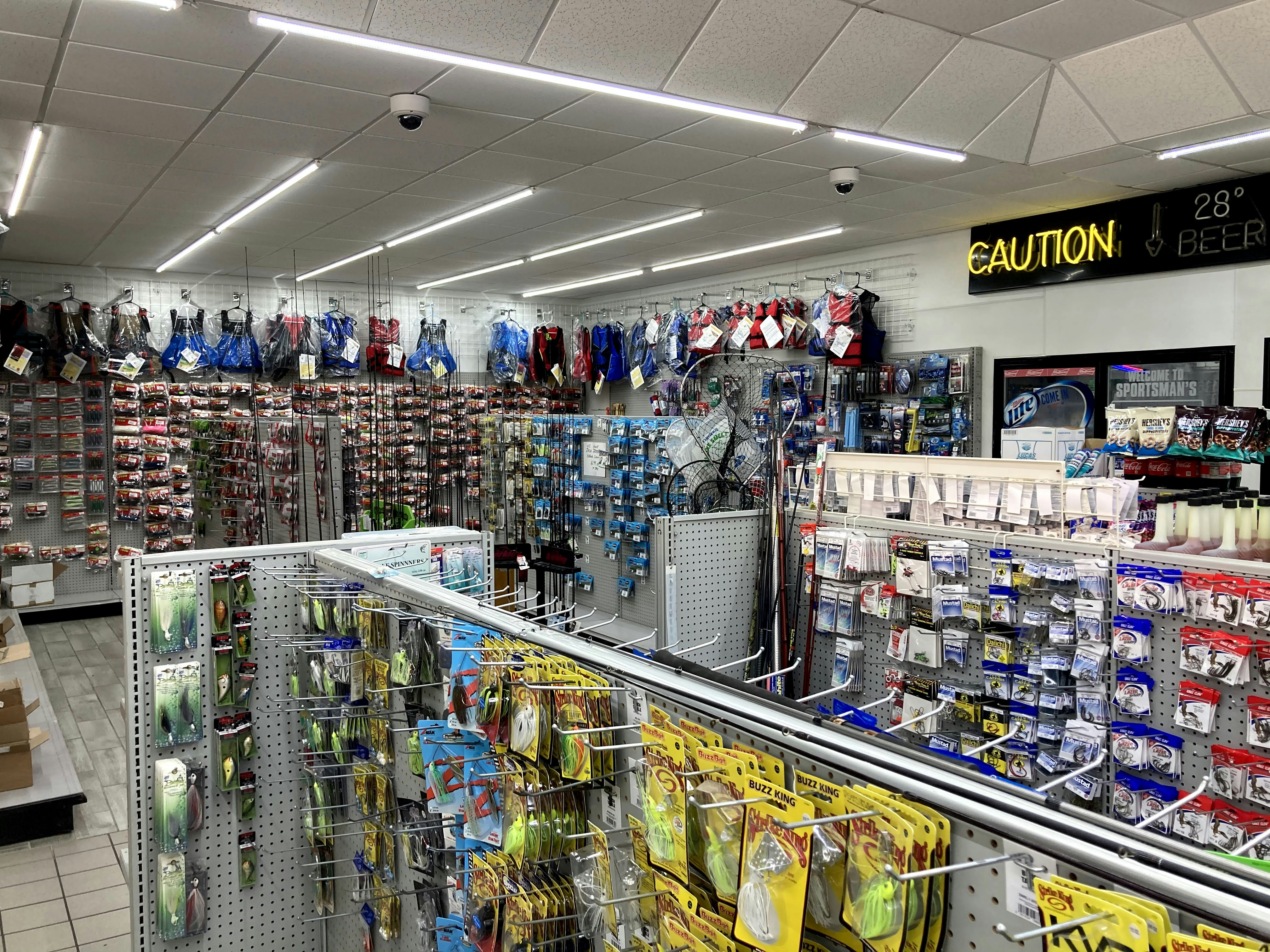
Introduction to Seasonal Fishing
Seasonal fishing is an essential aspect of angling that reflects the changing behaviors of fish throughout the year. The intricate relationship between environmental factors and fish movements underscores the importance of adapting fishing techniques and equipment to enhance catch rates across different seasons. Seasonal variations, such as temperature, weather patterns, and water levels, significantly influence fish activity, leading to distinct opportunities for anglers in both freshwater and saltwater environments.
In spring, for instance, rising water temperatures trigger spawning behaviors in many fish species. As fish become more active during this period, anglers can utilize specific baits and tackle that align with these behaviors for greater success. Similarly, in summer, fish tend to congregate in cooler, deeper waters or seek shade during the hotter parts of the day, necessitating adjustments in fishing strategies and the choice of fishing gear.
As the fall season approaches, fish often engage in feeding frenzies to prepare for the winter months, allowing for fruitful fishing experiences. Lastly, winter presents its own unique challenges, as many fish species become lethargic. Ice fishing gear and techniques are crucial to navigate these frigid conditions effectively. Each season requires anglers to be well-prepared with the appropriate rods, reels, and bait selections that specifically cater to the anticipated fish behavior.
To maximize the fishing experience year-round, understanding seasonal changes and the corresponding adaptations in equipment are paramount. This includes recognizing the types of lures, lines, and rods that resonate with the targeted species, as well as being aware of local regulations and seasonal restrictions. By equipping themselves appropriately, anglers will not only enhance their fishing success but also enjoy the diverse experiences that seasonal fishing has to offer.
Understanding Different Types of Water Bodies
In the realm of fishing, the type of water body plays a crucial role in determining fishing strategies, gear selection, and seasonal adaptations. Each aquatic environment—oceans, streams, rivers, and lakes—offers a unique habitat supporting diverse fish populations, necessitating a different approach to seasonal fishing.
Oceans are expansive saltwater bodies that are home to a wide variety of fish species, including tuna, marlin, and various types of sharks. Seasonal fishing patterns in oceans may depend on migratory routes and breeding cycles. Many species, such as striped bass, exhibit specific seasonal behaviors, moving closer to shore during warmer months, which increases their catchability for anglers.
Streams are smaller freshwater bodies characterized by flowing water. They often host species such as trout, which are heavily influenced by seasonal changes. During spring, for example, trout spawn and can be found in shallow, warmer waters. Anglers need to adapt their bait and techniques to match the time of year to increase the likelihood of a successful catch.
Rivers, larger than streams but still flowing, support a considerable variety of fish, including salmon, catfish, and bass. The seasonal behaviors of river fish can vary greatly; salmon, for instance, are known for their upstream spawning journey, typically occurring in late summer to early fall. River conditions, such as water temperature and flow rate, also change with the seasons, affecting fish availability and angling techniques.
Lakes represent still bodies of freshwater, where fish like perch, walleye, and bass reside. Seasonal changes affect their behavior profoundly; for instance, during warmer months, many fish species move toward deeper waters to evade heat, while during cooler months, they may migrate to shallower areas. Understanding these seasonal dynamics is essential for successful fishing.
Ultimately, recognizing the specific characteristics and seasonal changes of these water bodies enhances an angler’s experience, guiding them in selecting the appropriate gear and fishing strategies for optimized results.
Choosing the Right Fishing Gear
Selecting the appropriate fishing gear is paramount for any angler. The choice of rods, reels, and lines is particularly crucial as they must be tailored to the specific season and water conditions you will encounter. Different types of fishing call for specialized equipment that enhances your experience and increases your chances of success.
When choosing a rod, consider its length and action. Longer rods are beneficial for long casts, while shorter rods provide precision and control, especially in tight spaces. The action of the rod, whether fast, medium, or slow, will influence how you feel the fish nibbling and how effectively you can set the hook. Each season can affect the fish behavior and habitat, hence adjusting your rod selection accordingly can be advantageous.
The reel is another essential piece of gear that should not be overlooked. Spinning reels are versatile, suitable for both freshwater and saltwater fishing, whereas baitcasting reels offer greater control for experienced anglers targeting larger fish. When selecting a reel, also consider the drag system, which must be robust enough to handle the species you are pursuing.
Lastly, the fishing line you choose plays a significant role in your overall success. Monofilament lines are commonly used due to their ease of use and versatility, while braided lines, though more visible, provide increased strength and sensitivity. Fluorocarbon lines are often preferred for their invisibility underwater, making them ideal for clear water fishing.
Understanding the type of fishing you will be engaging in, along with the environmental factors of the season, will guide you in the selection of the right fishing gear. Investing in the appropriate rods, reels, and lines tailored to your fishing needs will not only enhance your experience but also increase your odds of landing the desired catch.
Bait Selection by Season
Choosing the right bait is fundamental to ensuring a successful fishing trip, as different seasons bring about varied conditions and fish behaviors. The selection of bait differs greatly between winter, spring, summer, and fall, largely influenced by environmental factors such as water temperature, fish migration patterns, and the availability of seasonal food sources.
In the winter months, fish tend to be less active and prefer slower-moving baits. Live bait such as minnows can be effective in cold waters, while jigs tipped with soft plastics often yield good results. As water temperatures begin to rise during spring, fish transition to a more active feeding phase. This is the ideal time to consider using both live and artificial baits to target species like bass or trout, as they begin to move closer to shore for spawning.
Summer presents unique challenges, with typically warmer waters causing fish to retreat to deeper, cooler sites during peak heat. During this season, presenting baits at various depths can elicit strikes from fish that are seeking cooler waters. Topwater lures and live bait such as worms or crickets can attract active fish during cooler morning or evening hours.
As the fall approaches, fish begin to feed heavily to prepare for the winter months. This is an excellent time to implement larger baits or aggressive lures that mimic the abundant forage available in the water. Understanding the seasonal food sources that fish rely on can greatly improve the chances of a successful catch.
In summary, selecting the appropriate bait according to the season not only aligns with fish behavior but also optimizes the fishing experience. By paying attention to the environmental factors at play during each specific season, anglers can enhance their likelihood of success on the water.
Top Fishing Rods and Reels for Each Season
When selecting fishing rods and reels, it is essential to consider not only the species of fish being targeted but also the season in which you are fishing. Different seasons present unique challenges and conditions that can impact your choice of gear. In this section, we will review the best fishing rods and reels suited for each season, focusing on materials, flexibility, and power.
In spring, when fish are actively spawning, a moderate power rod paired with a spinning reel is ideal. A rod made from graphite or composite material offers the sensitivity needed for detecting subtle bites. The medium action of these rods allows for excellent control when casting with lighter baits. Popular options include the Shimano Crucial and the Abu Garcia Veritas, both of which provide the flexibility necessary for targeting species such as bass and trout.
As temperatures rise into summer, anglers often seek larger fish species in deeper waters. For this season, consider using a heavy power rod with a baitcasting reel. Fiberglass rods provide better durability and are particularly useful for battling larger species like pike or catfish. The St. Croix BassX and the Lew’s Tournament MB are commendable choices, offering the strength required for power fishing techniques.
In autumn, fish tend to feed aggressively to prepare for winter. A fast action rod with a spinning reel is advantageous during this time. The sensitivity of a fast action rod allows for quick hook sets, while a lightweight reel can help with the long casts often needed in fall fishing. Notable models include the Fenwick Elite Tech and the Daiwa Legalis, which excel at adapting to various fishing conditions.
Finally, during winter months, ice fishing necessitates specialized gear. A short, ultralight rod coupled with a small spinning reel is typically preferred, enabling anglers to detect even the faintest bites. The Clam Outdoors Ice Fishing Rod and the 13 Fishing Wicked are excellent choices for winter enthusiasts, designed to withstand cold temperatures while providing optimum performance.
Understanding Seasonal Fishing Techniques
Fishing is a year-round activity that varies significantly by season, each bringing unique challenges and opportunities for anglers. Employing effective fishing techniques tailored to the specific season not only enhances your fishing experience but also increases your likelihood of success.
In spring, as water temperatures begin to rise, fish become more active, and anglers can benefit from using live bait such as worms or minnows. Casting near structures where fish tend to congregate, such as submerged logs or vegetation, can be particularly fruitful. It is advisable to use lighter tackle to increase sensitivity and improve the chances of feeling a bite.
Summer presents a distinct set of challenges, with warmer water leading to more erratic fish behavior. Topwater lures can yield great results during the early morning and late evening hours when fish are more aggressive. Consider applying a ‘slow and steady’ reel technique, especially for finesse lures, which often entice fish to bite more readily in warmer waters.
As temperatures turn cooler in autumn, fish begin to feed heavily in preparation for the winter. This is an opportune time to use larger baits and target deeper water where fish may be seeking refuge. Employing techniques such as slow trolling can also prove effective at this time. It’s crucial to adjust your cast distances, allowing the bait to reach the depth where fish are congregating.
Finally, winter fishing requires patience and a strategic approach. Ice fishing has gained popularity and utilizes specific techniques such as jigging using artificial baits. Anglers should focus on locating structure like underwater flats or ridges that fish might inhabit during the cold months. Ensuring that both bait size and color are appropriate for the current fishing conditions is key to success.
Safety and Regulations in Seasonal Fishing
Fishing, while a rewarding experience, necessitates adherence to specific safety measures and regulations to ensure both personal safety and environmental conservation. One of the primary components of safety in fishing is the use of appropriate gear. This includes wearing a life jacket when on a boat, utilizing protective clothing suitable for varying weather conditions, and ensuring that all fishing equipment is in good working condition. By prioritizing safety gear, anglers can minimize the risks associated with their fishing activities.
Understanding local fishing regulations is equally crucial for both safety and conservation. Each region may have specific rules regarding fishing seasons, sizes, and bag limits, which are established to protect fish populations and their habitats. These regulations may change seasonally, reflecting adjustments in fish breeding cycles or environmental concerns. Therefore, it is imperative for anglers to familiarize themselves with local laws prior to embarking on their fishing ventures. Ignorance of these rules can result in unintended violations, which can lead to fines or having one’s fishing privileges revoked.
Moreover, responsible anglers should also engage in conservation efforts by practicing catch-and-release whenever feasible and ensuring that they do not overfish specific species. Seasonal fishing limits are put into place to maintain balance within aquatic ecosystems, and respecting these limits is a vital aspect of sustainable fishing. Additionally, being mindful of the surrounding environment is critical; individuals should properly dispose of waste and refrain from disturbing wildlife habitats. Ultimately, by embracing safety measures and adhering to regulations, anglers will not only enhance their own experience but also contribute positively to the fishing community and the environment as a whole.
Seasonal Fishing Events and Competitions
Fishing is not just a leisurely activity but also a competitive sport that draws enthusiasts from all corners of the globe. Every year, various fishing events and competitions take place, tailored to different seasons and species. These gatherings offer anglers an opportunity not only to showcase their skills but also to learn from fellow participants and industry experts.
One of the most notable events is the Bassmaster Classic, often referred to as the Super Bowl of bass fishing. Hosted annually, this event typically takes place in early spring, attracting thousands of competitors and spectators. The event serves as a platform for anglers to display their techniques while being judged on their catches. Attending such a prestigious event allows participants to observe strategies and methods that may be beneficial in enhancing their skills.
During the summer months, events like the IGFA World Record Day encourage anglers to pursue and potentially break world records across various species. This event fosters a sense of camaraderie among fishing enthusiasts and highlights the need for sustainable practices. Participants often share their experiences, leading to increased knowledge about local fish populations and conservation methods.
As autumn arrives, many regions host tournaments focused on fly fishing, such as The World Fly Fishing Championships. These competitions spotlight the artistry involved in fly fishing techniques and provide participants with the chance to network with international fishing experts. The exchange of ideas surrounding gear selection, casting techniques, and local waters can be invaluable for personal growth as an angler.
Finally, winter fishing events, such as ice fishing derbies, offer a different kind of challenge and excitement. These events not only bring together avid ice fishers but also emphasize safety and responsible fishing practices. Participants can test their skills in a new environment while building connections with fellow enthusiasts, learning from each other’s experiences.
Overall, seasonal fishing events and competitions serve numerous purposes beyond just competition. They provide vital networking opportunities, facilitate skill enhancement, and promote community engagement among fishing enthusiasts worldwide.
Conclusion and Key Takeaways
Throughout this guide, we have explored the significant impact that seasonal fishing gear can have on one’s fishing experience. Understanding the importance of using the appropriate equipment tailored to specific seasons is crucial for maximizing success on the water. As we have discussed, different types of gear, such as rods, reels, and lures, play pivotal roles in aligning with the varying fish behaviors and environmental conditions throughout the year.
Investing in seasonal fishing gear is not merely about acquiring new items; it reflects a commitment to enjoying the sport with enhanced proficiency. When fishermen utilize tools designed for specific conditions, they can expect to achieve better results, whether that comes in the form of quantity or size of catches. As such, it is advisable to periodically evaluate and update one’s fishing gear in accordance with the seasons.
Furthermore, experimentation with different techniques is an essential aspect of the fishing process. As anglers explore various approaches suitable for seasonal changes, they may discover new favorites that yield more rewarding outcomes. Techniques such as varying retrieval speeds, experimenting with bait presentation, or trying different depths can lead to improved experiences and an enriched understanding of local aquatic ecosystems.
Finally, staying informed about local fishing environments and regulations remains critical for ethical and sustainable fishing. By keeping abreast of local laws and best practices, anglers can contribute positively to the preservation of fish populations and their habitats. This not only enhances individual fishing experiences but also supports the broader fishing community.
In conclusion, seasonal fishing gear, diverse techniques, and awareness of regulations collectively enhance the fishing experience. By embracing these elements, anglers can enjoy their time on the water to the fullest.